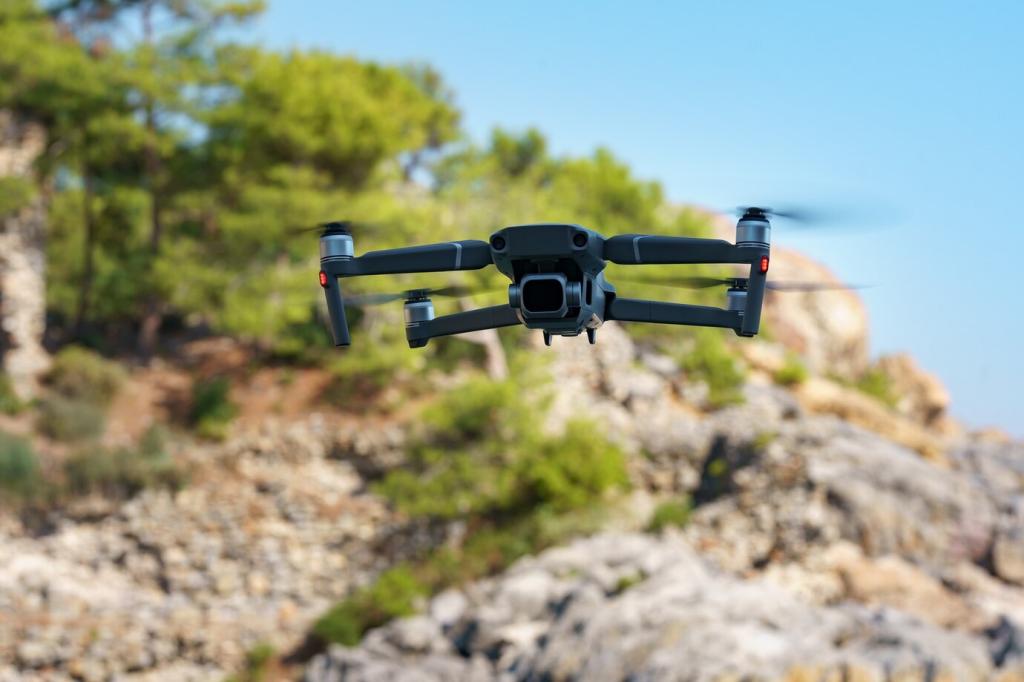
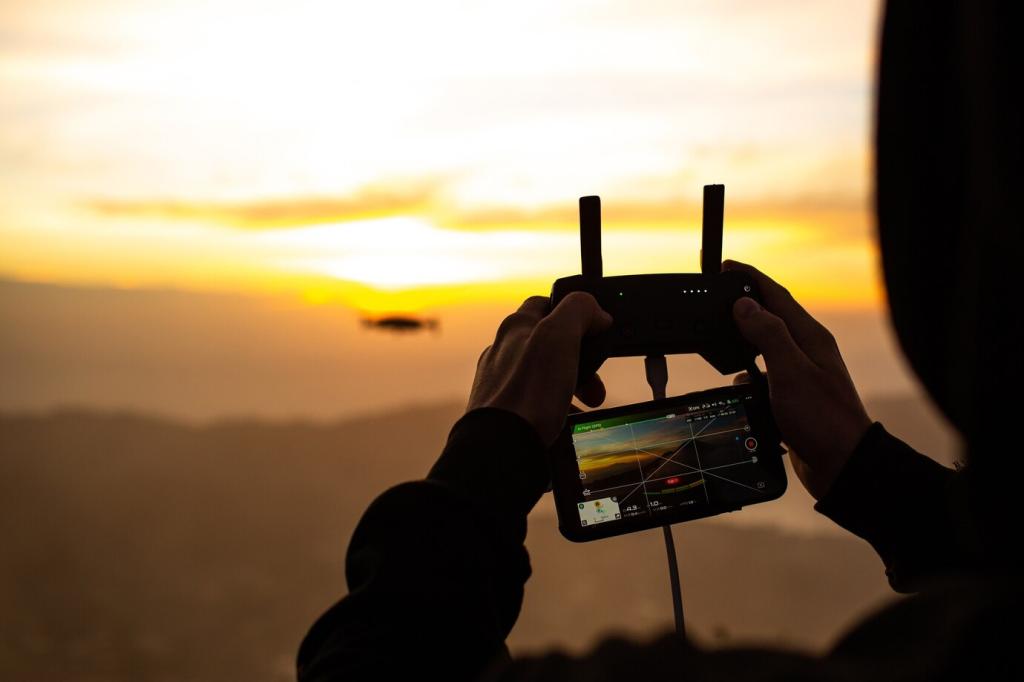
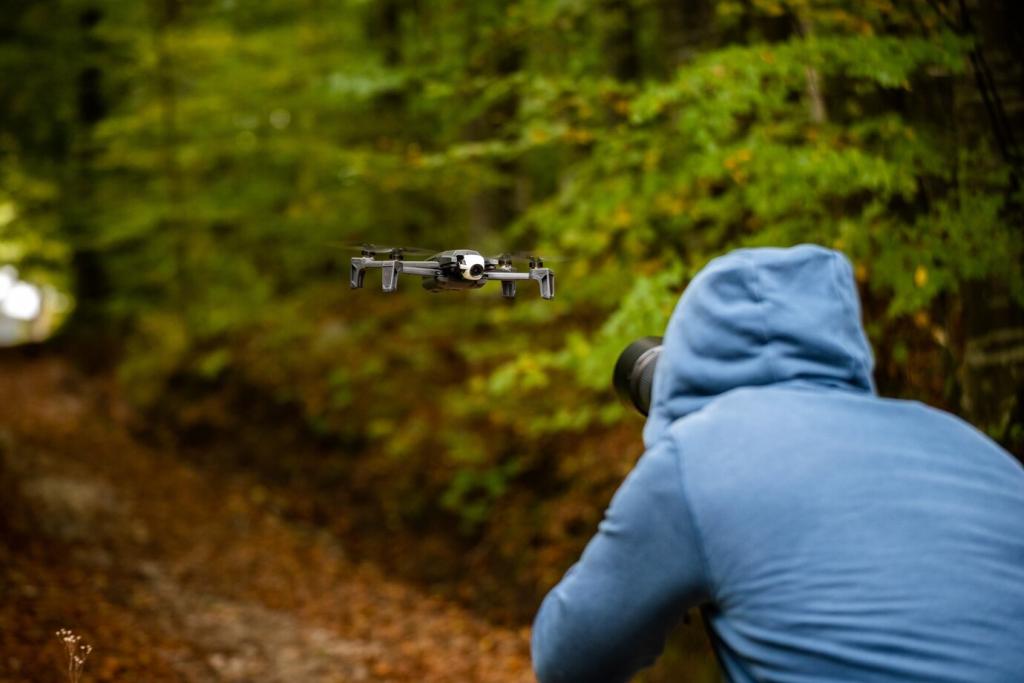

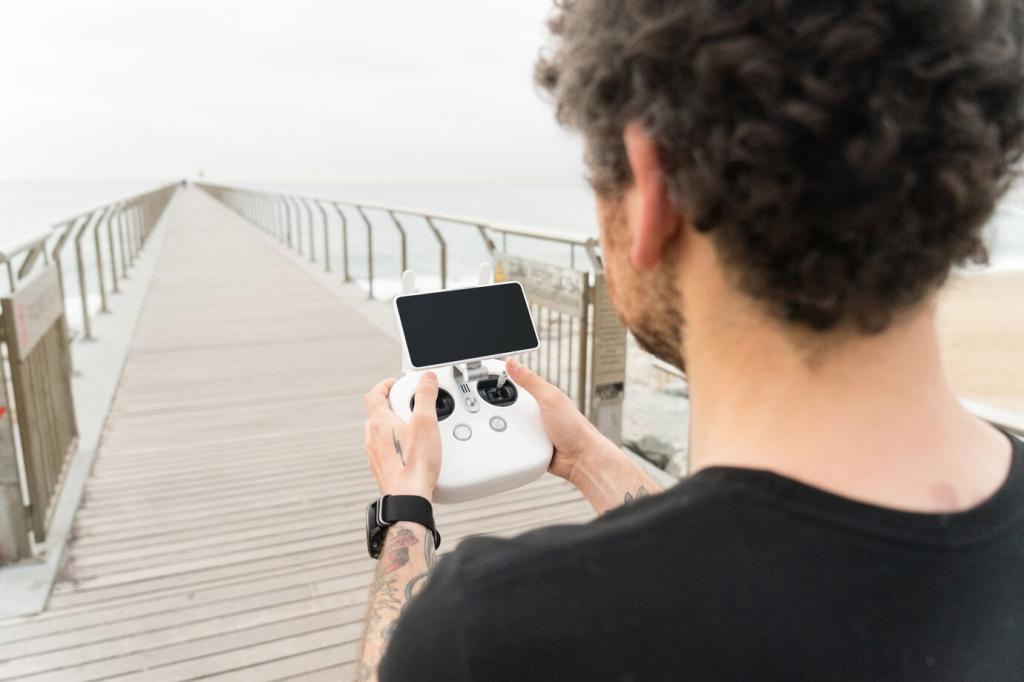
Chosen theme: Affordable New Drones for Outdoor Photography Enthusiasts. Step into accessible aerial creativity where compact, budget-friendly drones unlock sweeping views, honest learning curves, and shareable adventures. Subscribe to follow practical field tips, real stories, and gear wisdom tailored to enthusiasts who shoot more with less.

Getting Started with Budget-Friendly Aerial Gear

Look past flashy specs and compare the things you’ll notice outside: battery life in wind, real sensor quality, obstacle awareness, warranty support, and firmware cadence. Create a simple checklist prioritized by your terrain and photographic goals, and share it with fellow readers for feedback and refinement.

Getting Started with Budget-Friendly Aerial Gear

Before your first lift-off, review local regulations, no-fly maps, and park rules, and practice visual line-of-sight habits. Keep altitude conservative until controls feel intuitive. Avoid wildlife, crowds, and private property. Comment with your region and favorite planning app so others can discover helpful regional resources too.

Camera Capabilities on Affordable New Drones

Expect compact sensors—from 1/2.3″ to 1/1.3″—with wide lenses around 24–28mm equivalent. Sharpness peaks mid-frame, so compose with your subject centered then crop thoughtfully. Keep ISO low, expose to protect highlights, and test RAW versus JPEG on the same scene to understand your editing headroom.

Camera Capabilities on Affordable New Drones

A 3-axis gimbal is your best friend; electronic stabilization helps, but can soften detail. Use gentle stick inputs, set slower yaw rates, and fly smoother lines. Carry lightweight ND filters to control shutter speed in bright sun, preserving motion realism while maintaining crisp details in textured terrain.

Flight Performance That Matters for Outdoor Shooters

Wind, Gusts, and Ridge Line Realities

Marketing wind-resistance numbers never capture ridge turbulence. Expect gusts to surge, especially on saddles and cliff edges. Fly windward to test drift, keep extra battery buffer for the return, and watch treetops for gust patterns. Share your max safe wind threshold to help others calibrate their limits.

Batteries, Weather, and Smart Landings

Cold saps capacity fast. Warm batteries in an inner pocket, avoid hovering low in snow flurries, and set a conservative Return-to-Home threshold. Land on a small foldable pad to keep dust out of gimbals. Comment with your preferred battery rotating system when hiking longer ridgelines.

Tracking Modes for Hikers and Cyclists

Subject tracking can elevate small adventures, but know the blind spots. Budget drones may lack side sensors, so choose open routes and higher clearances. Practice manual framing to bail out gracefully. Post a clip where tracking succeeded, and one where you took control, explaining what you learned.

Portable Setups for Trails and Travel

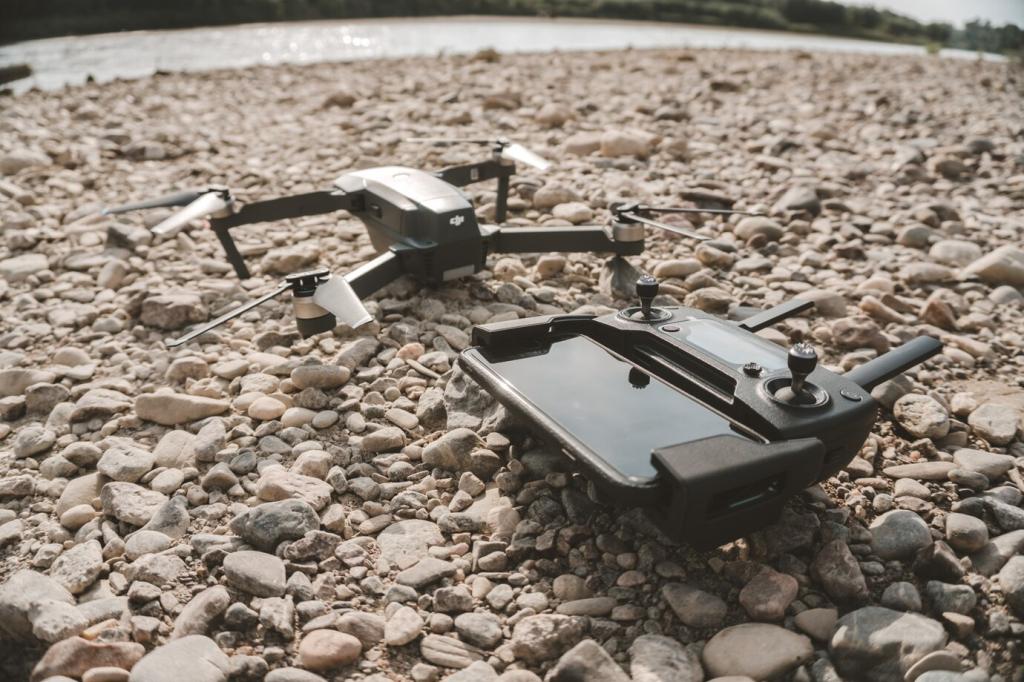
Choose a compact, sub-250g drone when rules permit, a slim controller, and two lightweight batteries. Add a foldable landing mat and microfiber cloth. Stash spare props in a flat pouch and label everything. Share your pack weight and the single accessory you refuse to leave behind.

Portable Setups for Trails and Travel

A USB-C power bank with Power Delivery can top batteries between trail segments. Car adapters help on long drives, while modest solar panels extend remote stays. Track watt-hours, not just milliamp-hours, and keep cables short. What’s your most reliable off-grid charging combo for multi-day photo missions?
Metalicum
Privacy Overview

This website uses cookies so that we can provide you with the best user experience possible. Cookie information is stored in your browser and performs functions such as recognising you when you return to our website and helping our team to understand which sections of the website you find most interesting and useful.